

Road & Ritual
Long-Distance Motorcycle Riding: How to Stay Comfortable for Every Mile

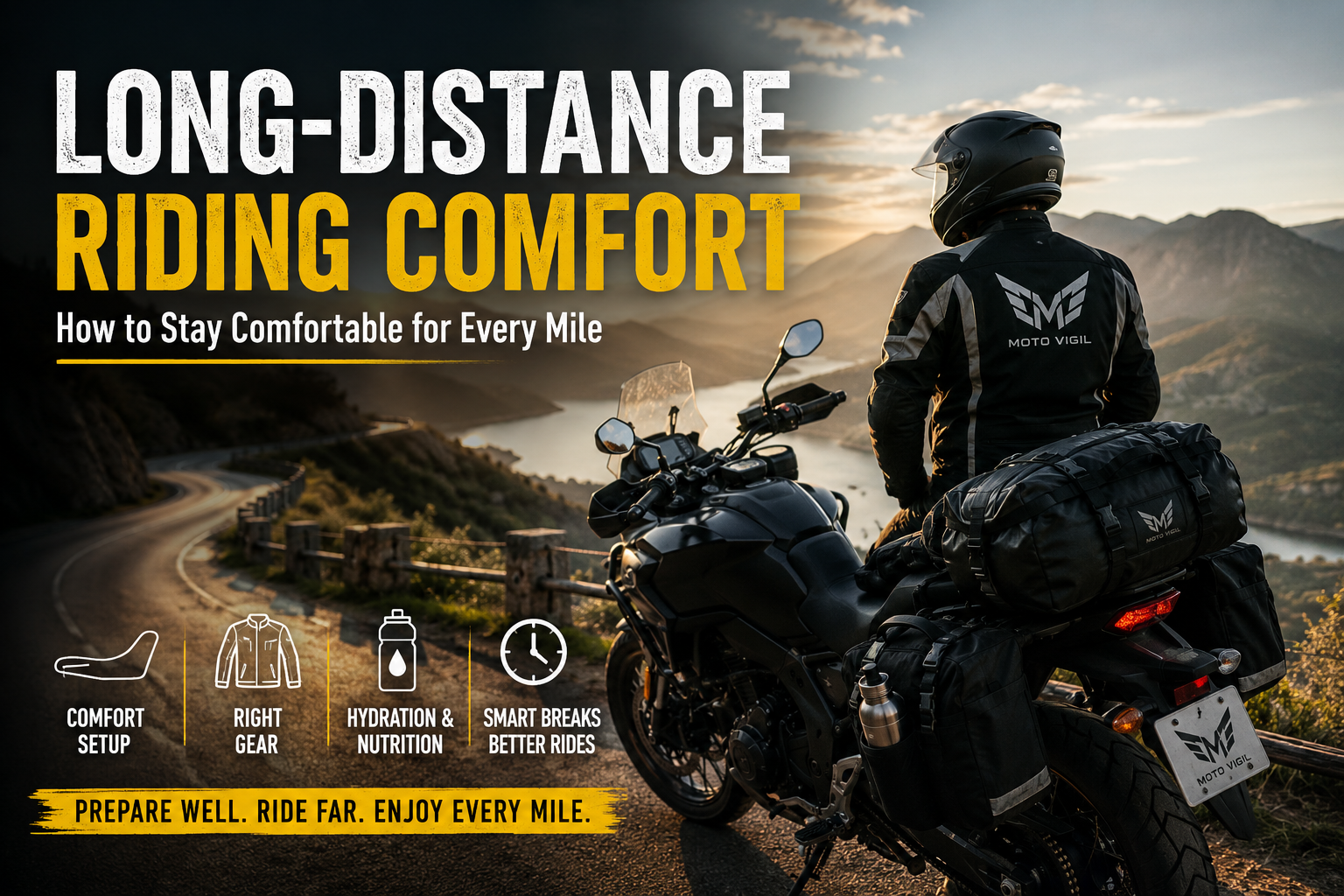
Long-distance motorcycle riding can be one of the most rewarding ways to travel. Open roads, changing landscapes, and the freedom to explore at your own pace make every journey feel memorable. However, spending several hours on a motorcycle can also place significant strain on your body and concentration. A ride that begins comfortably can quickly become exhausting if you are not properly prepared. The key to a successful long-distance motorcycle trip is not simply riding farther. It is learning how to manage comfort, fatigue, hydration, equipment, and your physical limits throughout the journey. This guide explains how to prepare for long-distance motorcycle riding and stay comfortable from the first mile to the last.
Prepare Your Motorcycle Before the Ride
Comfort begins with a motorcycle that is safe, reliable, and properly adjusted. Before leaving, inspect your tyres for damage, correct pressure, and sufficient tread. Check the brakes, lights, engine oil, coolant, battery, chain tension, and fluid levels. Small mechanical problems can become serious issues when you are far from home. It is also important to adjust the motorcycle around your riding position so that the handlebars, mirrors, levers, foot controls, and seat allow you to sit naturally. You should not need to stretch excessively or place unnecessary pressure on your wrists. A poorly adjusted motorcycle can create discomfort within the first hour, while a well-prepared one allows your body to remain relaxed for much longer.
Choose a Comfortable Riding Position
Your posture has a major effect on how your body feels during a long ride. Sit in a neutral position with your shoulders relaxed, elbows slightly bent, and hands resting lightly on the handlebars. Avoid gripping the bars tightly, as this creates tension in your arms, neck, and upper back. Your knees should remain comfortably against the motorcycle without squeezing the fuel tank constantly, and your feet should stay securely on the foot pegs. Your core should support your upper body whenever possible. A relaxed riding position reduces muscle fatigue, improves control, and helps you react more smoothly to changing road conditions.
Improve Seat Comfort
The motorcycle seat is one of the biggest factors in long-distance riding comfort. A seat that feels fine during a short ride may become uncomfortable after several hours due to pressure points, vibration, and limited movement. Aftermarket touring seats, gel pads, air cushions, or sheepskin covers can improve comfort depending on your motorcycle and preference. However, equipment alone is not enough. You should also shift your position occasionally, move slightly forward or backward when possible, and stand briefly on the foot pegs on suitable road sections. This helps relieve pressure and improves circulation, preventing your body from staying in one position for too long.
Wear the Right Motorcycle Gear
Protective gear should provide safety without creating unnecessary discomfort. A helmet must fit securely without causing pressure points, as a loose helmet can move at speed while a tight one can cause headaches and fatigue. Jackets and trousers should allow movement while keeping armour in place, as overly tight gear restricts circulation and loose gear can become distracting. Breathable base layers help manage sweat, while cotton should be avoided because it retains moisture. Boots should support the ankles without limiting movement, and gloves should fit comfortably without restricting finger movement. Proper gear helps you stay focused on the road instead of constantly adjusting clothing.
Dress for Changing Weather
Weather can change quickly during long rides, so preparation is essential. A warm morning can turn into a cold evening, and clear skies can quickly become rain. Layering is more effective than wearing a single heavy garment because it allows flexibility. Waterproof outerwear should always be carried, even in good weather, as wet clothing can quickly reduce body temperature and comfort. In hot conditions, ventilated gear and moisture-wicking layers are important, while cold conditions require wind protection and thermal insulation. Heated grips and liners can also make a significant difference. Always check the forecast, but prepare for conditions beyond it.
Plan Realistic Daily Distances
One of the most common mistakes in long-distance riding is overestimating how far you can comfortably travel in a day. A route may look simple on a map, but fuel stops, traffic, weather, and fatigue can significantly increase travel time. Your daily distance should be based on experience, motorcycle type, and road conditions. Highways may allow more distance but can be mentally tiring, while mountain roads require more focus and energy. Always leave time for breaks and unexpected delays. A comfortable journey is more important than reaching a strict mileage target.
Take Regular Breaks
Regular breaks are essential for maintaining comfort and concentration. A stop every 60 to 90 minutes works well for most riders, although this may vary. During breaks, get off the motorcycle, walk around, and stretch your body, including your neck, shoulders, back, wrists, and legs. Even a few minutes of movement can significantly reduce fatigue. Use fuel stops as proper rest opportunities rather than quick interruptions. If discomfort increases, take longer breaks instead of pushing through pain, as this often makes the rest of the ride more difficult.
Stay Hydrated
Dehydration can reduce focus, slow reaction time, and increase fatigue. Riders often do not notice fluid loss, especially in hot weather or when wearing protective gear. Drink water regularly instead of waiting until you feel thirsty. Hydration packs are useful for continuous intake, but regular stops are still necessary. Limit caffeine and sugary drinks, as they can cause energy crashes later. Water should always be your primary source of hydration.
Eat Light, Balanced Meals
Heavy meals can make you feel tired and uncomfortable while riding. Instead, choose light, balanced foods that provide steady energy, such as fruits, vegetables, protein, and complex carbohydrates. Carry simple snacks like nuts, energy bars, or sandwiches for long stretches of road. Eating smaller portions throughout the day is more effective than one large meal. Always allow time for digestion before continuing your ride.
Reduce Wind Fatigue
Wind pressure can become exhausting over long distances. A windscreen or fairing can help reduce airflow on your chest and helmet, but it must be properly adjusted to avoid turbulence. Earplugs designed for motorcycling reduce wind noise and help prevent fatigue while still allowing awareness of surroundings. A well-fitted helmet, aerodynamic gear, and relaxed posture also reduce wind strain. Less wind fatigue means better focus and energy later in the ride.
Manage Vibration and Hand Discomfort
Vibration from the engine and road can cause numbness or discomfort in the hands. Avoid gripping the handlebars too tightly and keep a relaxed hold. Change hand positions when safe and stretch during breaks. Padded gloves, bar-end weights, and improved grips can reduce vibration. Cruise control or throttle assists may also help reduce strain, but should be used responsibly. Persistent numbness should never be ignored and requires rest and adjustment.
Pack Carefully and Keep the Motorcycle Balanced
Improper luggage placement can affect comfort and handling. Heavier items should be placed low and close to the centre of the motorcycle, with weight evenly distributed. Avoid overpacking, as extra weight makes the motorcycle harder to control. Essential items include tools, water, snacks, rain gear, first-aid kit, charger, documents, and navigation backup. A well-packed motorcycle is safer, more stable, and more comfortable to ride.
Protect Your Energy and Concentration
Mental fatigue is just as important as physical fatigue. Warning signs include yawning, missed signs, poor lane control, and delayed reactions. These indicate that you need to stop immediately. Music or communication systems can help some riders, but should never become distracting. When concentration drops, continuing the ride becomes unsafe regardless of destination.
Get Enough Sleep Before Riding
A long ride should never begin without proper rest. Fatigue affects reaction time, balance, and decision-making, and cannot be replaced by caffeine. Always aim for a full night of sleep before riding. During multi-day trips, ensure proper rest each night. If you feel dangerously tired while riding, stop immediately and rest. Adjusting your schedule is always safer than pushing through exhaustion.
Build Long-Distance Endurance Gradually
Long-distance riding ability develops over time. Start with shorter rides and gradually increase distance to understand your comfort limits. This helps identify issues with gear, posture, or motorcycle setup before long trips. Experience builds endurance more effectively than determination alone, making future journeys more enjoyable and comfortable.
Listen to Your Body
Your body provides constant feedback during a ride. Pain or discomfort should never be ignored, as it often signals an issue with posture, equipment, or fatigue. Make adjustments, take breaks, and stop if necessary. If pain becomes severe or affects control, end the ride safely. Long-distance riding should challenge you, not harm you.
Enjoy the Journey, Not Just the Destination
A long ride should be enjoyable, not rushed. Choose routes that allow exploration, scenic stops, and unexpected discoveries. Avoid strict schedules that create pressure. Some of the best riding experiences come from unplanned moments along the way. Comfort improves when the journey is allowed to unfold naturally.
Final Thoughts
Long-distance motorcycle comfort depends on preparation, posture, gear, hydration, rest, and realistic planning. While equipment helps, the most important skill is learning to manage your body and energy throughout the ride. Prepare carefully, ride responsibly, and listen to your limits. The goal is not just to travel far, but to arrive safely, comfortably, and ready for the next adventure.
Ride smart. Stay comfortable. Enjoy every mile.